Key Takeaways: Chinese for Preschoolers
1. Early exposure to Chinese for preschoolers builds strong foundations in pronunciation and language structure.
2. Creating a language-rich environment with books, music, and media makes learning fun and familiar.
3. Immersion in Mandarin-speaking settings helps children see how the language fits into daily life.
4. Interactive books and shared reading experiences nurture curiosity and strengthen language skills.
5. Games, flashcards, and apps turn learning Chinese into enjoyable and engaging activities.
Learning Chinese, or any second language, is incredibly important, especially in a multicultural and diverse country like Singapore. Being bilingual is not just a valuable skill, but also a necessity for many aspects of life. As stated by Education Minister Chan Chun Sing in a recent CNA article, “bilingualism is a passport that we can really cherish beyond the physical passport.”
Encouraging your child to learn Chinese as early as preschool is recommended as preschool children are like sponges, absorbing language skills easily. Early exposure to Chinese can also foster a natural understanding of the language and provide a foundation for proper pronunciation and language structure.
However, getting your child interested in another language can sometimes be challenging. Hence, here are 5 ways parents can make learning Chinese enjoyable for their preschoolers:
Create a Language-rich Environment for Preschoolers
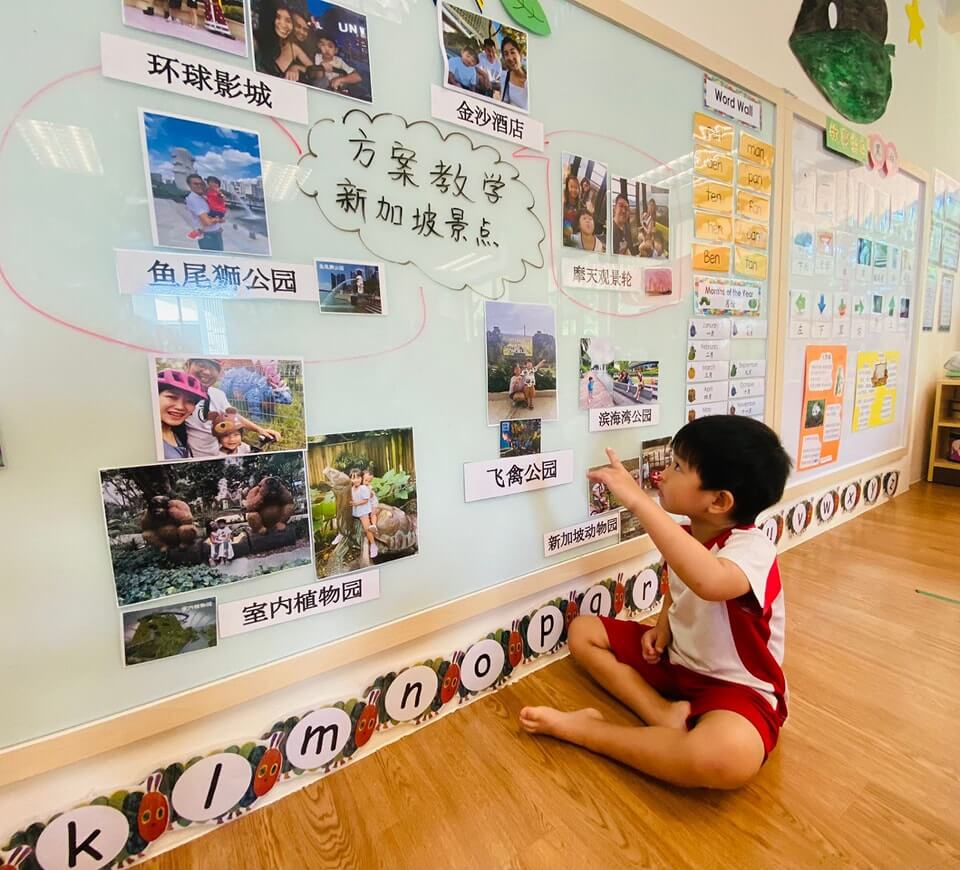
Surround your child with Chinese language materials such as books, posters, and music. Label objects in your home with Chinese characters, and play Chinese songs or videos in the background. You can also introduce Chinese cartoons and shows to pique their interest. This immersion can help your child become more familiar and comfortable with the language.
Immerse in Mandarin-speaking Environments
You can also increase their exposure by exposing them to Mandarin-speaking environments, such as grocery shopping at a wet market or visiting grandparents who speak Mandarin most of the time. There are many opportunities for children to learn, and showing them how Chinese is relevant in their daily lives can foster a love for learning Chinese.
Read Interactive Chinese Books Together
Choose interactive Chinese books with colourful illustrations and simple stories. As you read together, point out characters and encourage your child to repeat them. Engage them by asking questions about the story and characters. This approach not only improves their language skills, but also their bond with you through shared reading experiences, fosters curiosity, and nurtures a love for reading.
Explore Chinese Cultural Events
More than just learning the Chinese language, introducing children to Chinese traditions, festivals and customs allows them to take part in the rich culture behind the language. By connecting language learning with cultural experiences, you create a holistic and engaging learning environment that enriches your child’s overall development. This approach makes learning more meaningful and helps children develop a deeper appreciation for the language.
Make Learning a Game for Preschoolers
Turn learning Chinese into a game by creating flashcards or matching cards with Chinese characters and their English meanings or introduce other game-based learning activities such as word hunts, where your child searches for specific Chinese characters hidden around the house. Incorporate digital games and apps designed to teach Chinese in a fun and interactive way.
Conclusion
In conclusion, learning Chinese can be fun and enjoyable for preschoolers when approached creatively. By incorporating the methods above into your child’s daily routine, your child is bound to develop a love for learning Chinese.
At Raffles Kidz, we build our children to become confident bilingual learners through an immersive bilingual environment and fun enrichment activities such as cookery classes and speech and drama. Find out more about our curriculum and visit a Raffles Kidz preschool near you today!