
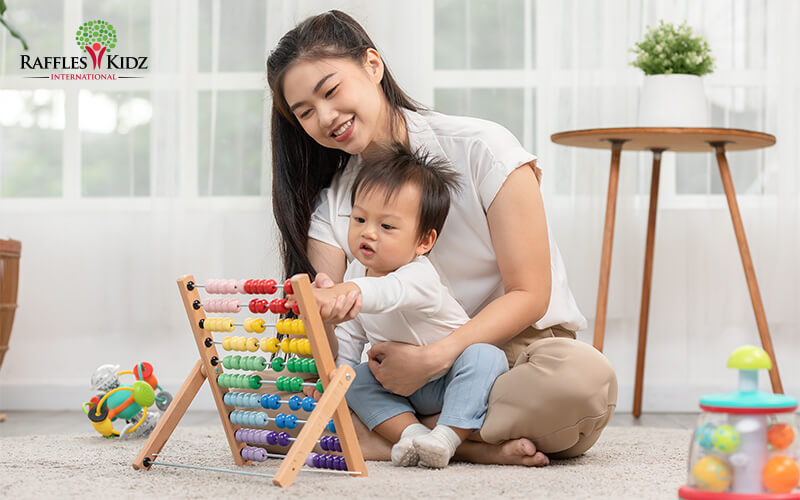
Key Takeaways
- The first five years are the most critical period for brain growth and learning potential.
- Purposeful play helps children develop creativity, focus, and problem-solving skills.
- Early social interactions build empathy, confidence, and emotional resilience.
- A nurturing preschool environment creates lasting benefits for future learning success.
Introduction
The early years of a child’s life shape their future behaviour, health, and overall development. During this crucial period, the brain grows at an astonishing rate, forming over a million new neural connections every second. Understanding the importance of early education helps parents make informed decisions about nurturing their child’s potential through play, discovery, and social interaction.
The Science of Early Brain Development
Rapid neural growth
From birth to age five, children’s brains grow more quickly than at any other time. By age three, up to 80 per cent of the brain’s structure is formed. This period of early childhood brain development shapes how children think, communicate, and form relationships.
Experience helps shape the brain
Every interaction, such as reading a story, singing a song, or exploring nature, helps strengthen their brain pathways. Positive and stimulating experiences in an early learning environment support healthy development, while a lack of stimulation can limit neural growth.
Active connections matter
The brain prunes away unused connections over time, a process known as synaptic pruning. This means consistent, quality interactions during these early years ensure that essential pathways for language, reasoning, and creativity are retained and reinforced.
How Early Experiences Shape Lifelong Learning
What children experience in their first few years determines how they approach challenges later in life. Cognitive, social, and emotional skills formed early become the foundation for lifelong learning. Through daily routines like listening, observing, and questioning, children learn to think critically, adapt to change, and develop self-confidence.
Recognising the importance of early education means valuing every small moment that shapes how a child learns, feels, and interacts with others. Parents seeking a nurturing nursery and preschool environment can give their child an enriching start by choosing environments that encourage curiosity and growth.
The Role of Play in Cognitive Development
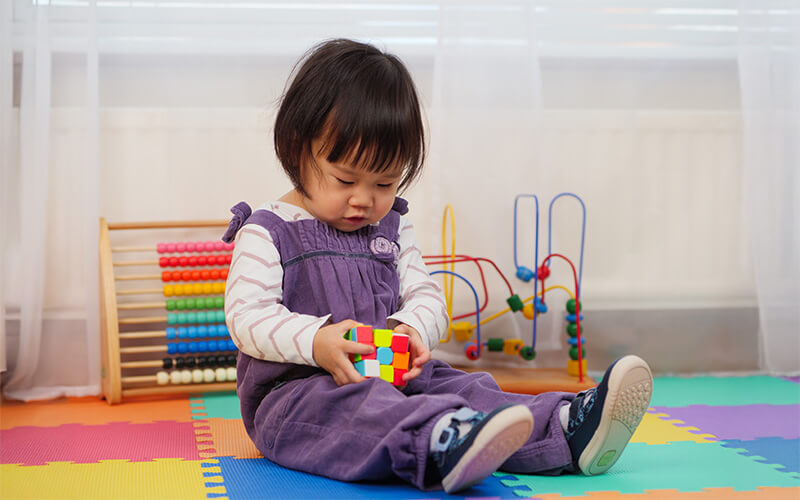
Play is far more than distraction or recreation; in fact, it’s one of the most effective ways children learn. Hands-on activities such as building, role play, and art strengthen creativity, focus, and problem-solving abilities. These experiences support fine motor development and decision-making, helping children connect ideas and actions in meaningful ways.
Children thrive in environments that blend guided learning with purposeful play, fostering exploration and creativity. This combination of structure and freedom strengthens understanding, making play a cornerstone of the importance of early education. This balance of structure and freedom deepens understanding and reinforces why play remains central to early education and cognitive growth.
Social and Emotional Growth Starts Early
Preschool environments are powerful spaces for emotional and social learning. Through group play and cooperative activities, children learn empathy, patience, and teamwork. They begin to identify and manage emotions, improving resilience and self-regulation.
Early development of these social and emotional skills forms the building blocks for strong relationships and supports future collaboration. This also reinforces the idea that the importance of early education extends well beyond academic outcomes.
Long-Term Impact Beyond Preschool Years
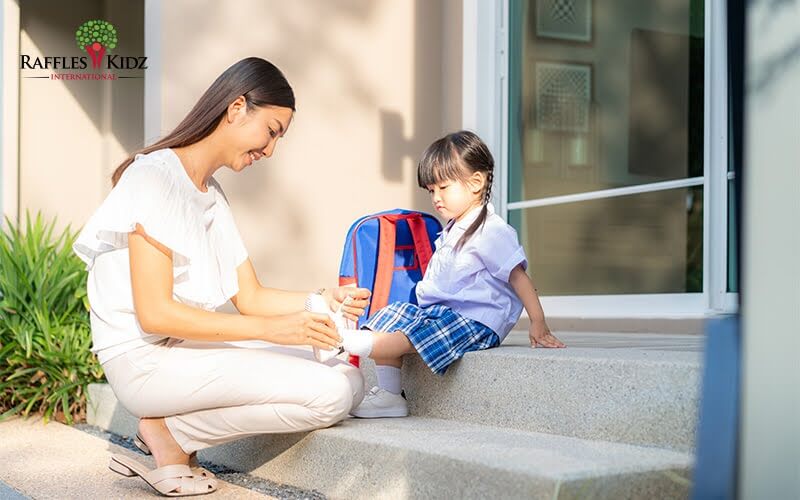
Children who experience high-quality early education often demonstrate lasting benefits. They enter primary school more prepared, perform better academically, and show higher confidence and adaptability.
Choosing a bilingual or Mandarin preschool programme offers an added advantage by fostering bilingual development, which boosts brain flexibility and cultural awareness. Recognising the importance of early education highlights how language exposure in the early years supports both cognitive growth and cultural understanding.
Conclusion
The first five years are a once-in-a-lifetime opportunity to shape a child’s mind and character. With a supportive environment, meaningful play, and caring educators, children develop curiosity, empathy, and the drive to learn. At Raffles Kidz International, our bilingual, inquiry-based approach is designed to harness this crucial stage of growth, nurturing confident and academically ready learners who are prepared for their next journey into Primary School, eager to explore the world with joy and purpose.
Looking for nearby preschools that offer more than just childcare? Give your child the best start in life today. Schedule a visit to Raffles Kidz International to experience how our nurturing environment inspires a lifelong love of learning.