Key Takeaways
- Preschools provide safe, supportive spaces where children can express themselves, explore, and try new things without fear.
- Daily routines that encourage independence, such as caring for materials or making simple choices, help children recognise their own capabilities.
- When teachers emphasise effort, curiosity, and perseverance, children develop a healthy approach to challenges and a positive mindset about learning.
- Play-based experiences and collaborative activities provide children with natural opportunities to develop social skills, emotional awareness, and a strong sense of personal growth.
Introduction
Every child deserves to feel proud of who they are and capable of accomplishing what they can achieve. During the preschool years, these qualities emerge through nurturing relationships, purposeful routines, and hands-on experiences that allow for exploration. Preschools play a vital role in strengthening self-esteem and self-confidence, offering environments where children feel valued, secure, and ready to engage with new experiences.
High-quality early learning settings also provide intentional socio-emotional support, helping children handle challenges with assurance. Here’s how thoughtful teaching practices support long-term emotional and social growth.
Creating a Safe and Supportive Environment
A secure and predictable classroom helps children develop trust, curiosity, and emotional strength. When educators provide warm guidance and consistent routines, young learners feel safe making choices, expressing ideas, and forming friendships. In a quality preschool setting in Singapore, this sense of safety provides children with the reassurance that their voices matter. Daily morning circles, visual schedules, and gentle teacher-child conversations help them understand what to expect, easing transitions and reducing anxiety. These moments also strengthen emotional development in early childhood, as children learn to recognise their own feelings and navigate social situations more confidently.
Encouraging Independence Through Everyday Tasks

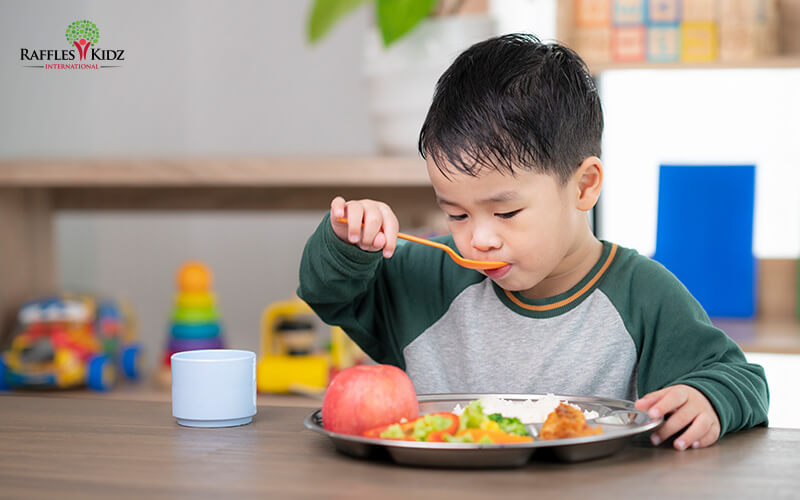
When children participate in daily routines such as preparing for class, caring for materials, or choosing their learning activities, they begin to understand their own capabilities. These tasks help promote independence in young children, giving them a sense of responsibility and ownership over their learning journey. Simple responsibilities, such as fastening their own shoes for outdoor play or selecting resources in learning corners, become moments of success that build real-world confidence. As their sense of autonomy grows, so does their belief in what they can achieve, strengthening self-esteem and self-confidence through genuine, everyday accomplishments.
Celebrating Effort, Not Just Results
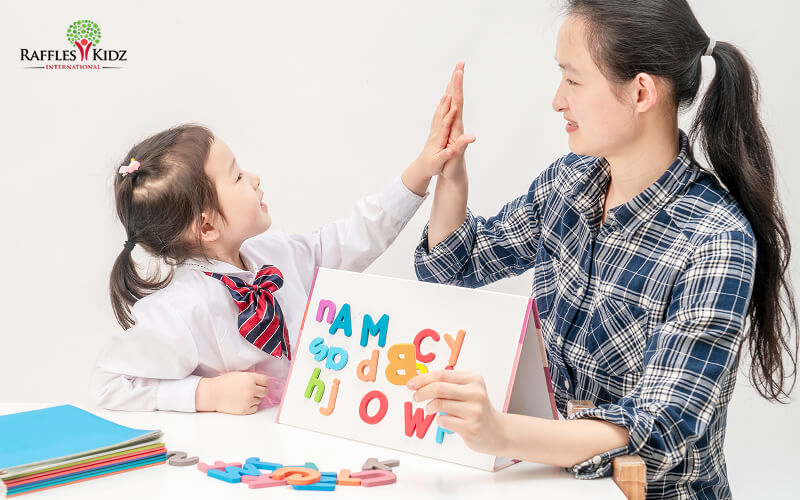
Children learn resilience when persistence, curiosity, and teamwork are recognised. By celebrating small attempts and problem-solving efforts, teachers nurture a healthy approach to challenges that contributes to building confidence in preschoolers. This mindset encourages children to view mistakes as part of the learning process rather than setbacks. Within a well-structured preschool curriculum in Singapore, children continue to grow through collaborative tasks, storytelling activities, and hands-on exploration. Teachers use positive language that reinforces effort, guiding children to focus on progress and personal growth rather than perfection. These experiences meaningfully support their self-esteem and self-confidence.
Supporting Emotional Expression and Self Awareness
Young children develop inner strength when they learn how to understand and express their feelings. Classroom conversations about emotions, kindness, and empathy equip children with the tools to manage frustration and foster strong friendships. These practices naturally incorporate preschool activities for self-esteem, where children feel safe communicating their needs and listening to others. Picture cards, guided reflection prompts, and teacher-led storytelling help children gain a clearer understanding of their inner world. Through these guided experiences, children deepen self-esteem and self-confidence as they learn to navigate both social dynamics and emotional challenges with clarity.
Building Confidence Through Play and Collaboration
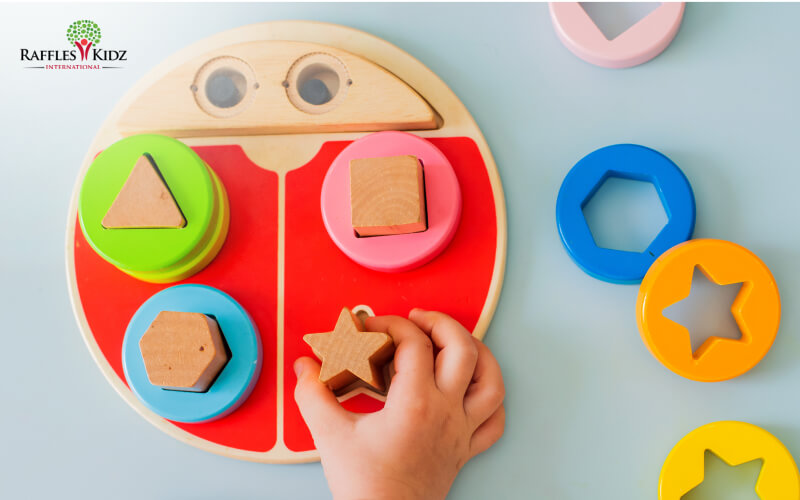
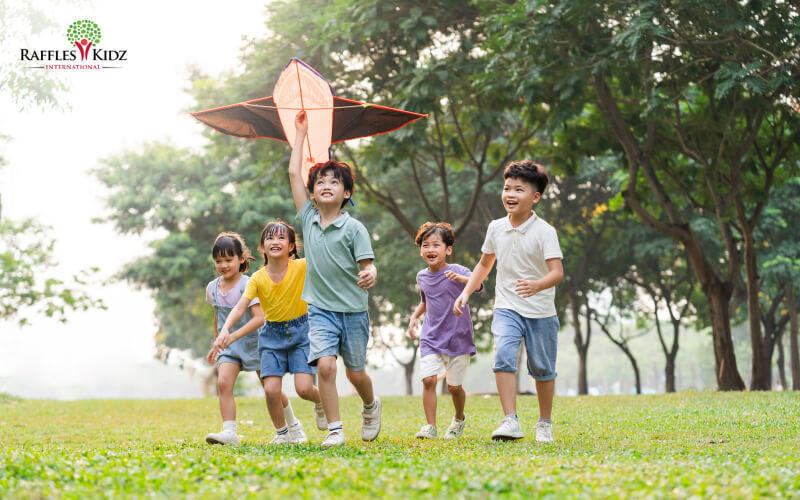
Play encourages imagination, leadership, and shared problem-solving. Through group projects, outdoor exploration, role play, and inquiry-based learning, children learn to negotiate roles, explore ideas, and celebrate collective success. These experiences reinforce self-esteem and self-confidence by showing children that their thoughts and contributions are valued and matter. With child-centred approaches such as Montessori and Reggio Emilia, play becomes a meaningful avenue where children practise independence, creativity, and communication skills while growing comfortable with both individual and group learning. Purposeful learning corners and outdoor discovery areas further enrich these experiences, allowing children to test ideas, take safe risks, and engage in authentic exploration.
Conclusion
Confidence grows when children learn in environments that honour their individuality, encourage exploration, and provide strong socio-emotional support. With purposefully designed learning corners, bilingual immersion, and fun enrichment, Raffles Kidz International delivers a holistic and academically strong foundation for young learners.
Through inquiry-based learning, outdoor discovery, and a safe and nurturing environment provided by experienced and caring educators, our children develop the resilience and self-belief they need to thrive. Such environments help them build a lasting sense of identity, competence, and well-being.
To see how our quality learning environment can strengthen your child’s confidence from the earliest years, schedule a personalised school tour with Raffles Kidz International today. Discover our bilingual learning curriculum, engaging hands-on experiences, and thoughtfully curated spaces that inspire curiosity and empower young children to grow into lifelong learners.