Key Takeaways
- Music enhances essential thinking skills by supporting memory, attention, and pattern recognition, which prepares young children for more complex learning later on.
- Songs and rhythmic activities boost early communication abilities, helping children expand their vocabulary, improve pronunciation, and express themselves more confidently.
- Musical experiences provide a healthy outlet for emotional expression, allowing children to recognise their feelings, regulate their reactions, and develop empathy in a supportive environment.
- Group music activities nurture social confidence by encouraging cooperation, turn-taking, and positive interactions, which help children form meaningful friendships.
Introduction
Music plays a vital role in how young children learn and grow. In preschool settings, from nursery to kindergarten, singing, rhythm, and movement do more than create an engaging classroom environment; they stimulate brain development, strengthen communication skills, and foster emotional confidence. Music in early education activates multiple areas of the brain simultaneously, aiding preschoolers in building a foundation for future academic success and social well-being.
Music and Cognitive Development in Early Education
Enhances Memory and Understanding
Musical patterns, rhythm, and repetition make it easier for children to remember words, numbers, and sequences. These repeated melodies reinforce the cognitive benefits of music by strengthening memory pathways that help children retain information more effectively. When young learners listen to or perform simple rhythms, they enhance their attention skills and increase their ability to process new concepts during classroom activities.
Encourages Early Problem-Solving
Musical activities, such as following beats, predicting patterns, or coordinating hand movements, stimulate early thinking skills. These experiences help children recognise order and develop logical reasoning. Because music in early education often involves structured sequences, it allows preschoolers to practise organising information while staying engaged through play.
Language and Communication Skills
Builds Vocabulary and Phonological Awareness
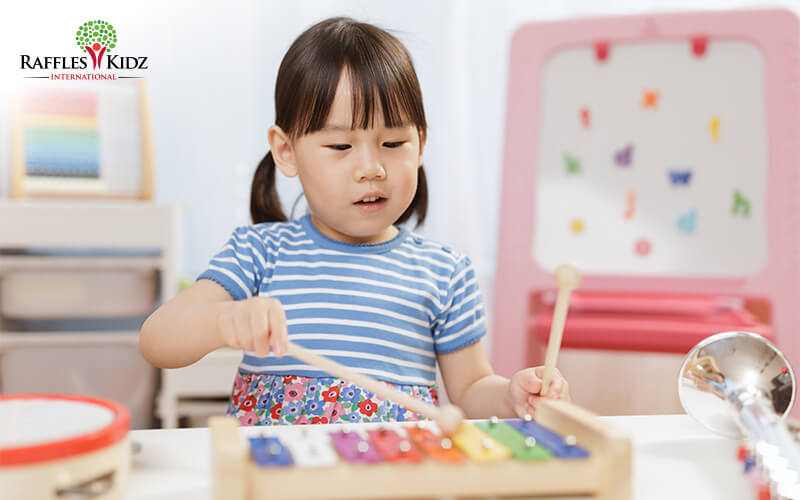
Songs and rhymes play a central role in language learning. They expose children to new words, introduce rhythm and pronunciation, and help them identify sounds more clearly. Through musical activities in preschool, young learners follow lyrics, copy gestures, and repeat phrases—all of which strengthen listening comprehension and early literacy skills.
Supports Confident Communication
Singing provides children with a safe way to express themselves verbally. Repeated musical phrasing trains them to form sentences, recall patterns, and articulate sounds more clearly. Choosing an environment that incorporates music meaningfully can further support expressive language development and build confident participation in the classroom.
Emotional Expression and Regulation
Helps Children Identify and Express Emotions
Music offers a gentle way for preschoolers to recognise and communicate emotions without fear. Whether they are tapping to an upbeat song or listening to something calm, musical experiences help children explore emotions in a safe and supportive space. This emotional awareness becomes especially meaningful in multilingual environments, and children attending a bilingual preschool in Singapore often find that music helps them express feelings more confidently across different languages.
Builds Empathy and Coping Skills
Group singing, movement, and rhythm activities teach children to respond to the emotions of others. They learn how to calm down, regain focus, or express excitement appropriately. The ability to self-regulate emotions is a significant benefit of music in early education and contributes to healthier interactions with peers.
Creativity and Imagination
Inspires Original Ideas
Singing, dancing, and experimenting with sounds encourage creativity. When children move freely to music or explore different tones, they learn to think creatively and express ideas confidently. These early opportunities show how music in early education nurtures flexible thinking, which contributes to long-term problem-solving skills.
Supports Exploratory Learning
When children create simple instruments, compose rhythms, or act out musical stories, they practise decision-making and learn to interpret the world around them. The connection between music and child development becomes evident as they gain confidence in trying new ideas and share imaginative concepts.
Building Social Skills Through Shared Musical Experiences
Encourages Cooperation and Teamwork
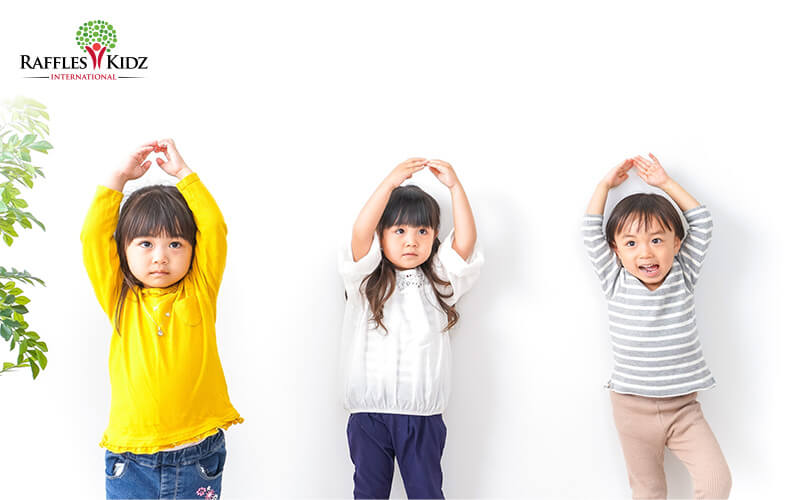
Group-based musical activities help children learn how to take turns, share instruments, and engage in collaborative play. These joint experiences nurture communication, patience, and mutual respect. Children also gain confidence performing in front of others, which strengthens their social development.
Forms Meaningful Connections
Singing together or participating in rhythmic activities creates a sense of belonging in the classroom. Through shared musical moments, children build friendships and develop trust with their peers. These experiences support overall development and help them feel more secure in group settings.
Conclusion
Music supports children in more ways than many parents realise. It strengthens memory, boosts communication, enhances emotional well-being, nurtures creativity, and builds social confidence. When thoughtfully integrated into the classroom, music in early education becomes a powerful tool that enriches every stage of a preschooler’s learning journey. These musical experiences give parents a clear insight into how their child learns and expresses themselves each day.
At Raffles Kidz International, music is used meaningfully to support holistic growth and create an engaging foundation for lifelong learning, forming a core part of our preschool curriculum in Singapore.
Begin your child’s learning journey with confidence. Contact Raffles Kidz International today to discover how our programmes meaningfully integrate music into early education.