

Key Takeaways
- Children often experience emotional, social, and routine-related worries when starting school. Recognising these concerns helps parents respond with empathy.
- Gentle preparation, such as introducing the school environment and discussing what to expect, builds familiarity and reduces uncertainty on the first day.
- Consistent routines and calm, reassuring communication strengthen a child’s sense of safety and support a smoother adjustment in the early weeks.
- Close collaboration between parents and teachers ensures children receive the guidance, comfort, and encouragement needed for a positive school transition.
Introduction
Introducing your child to preschool is an exciting milestone, but it naturally comes with uncertainty. Children in preschool may experience separation anxiety, worry about new people, or feel unsure about adapting to classroom routines. Parents often share similar concerns, hoping their child will feel safe, supported, and ready for this new chapter.
Understanding these common fears and responding with patience and preparation helps create a smoother, more positive start to school life. These early experiences lay the foundation for confidence, social skills, and a successful adjustment.
Common Fears About Starting Preschool
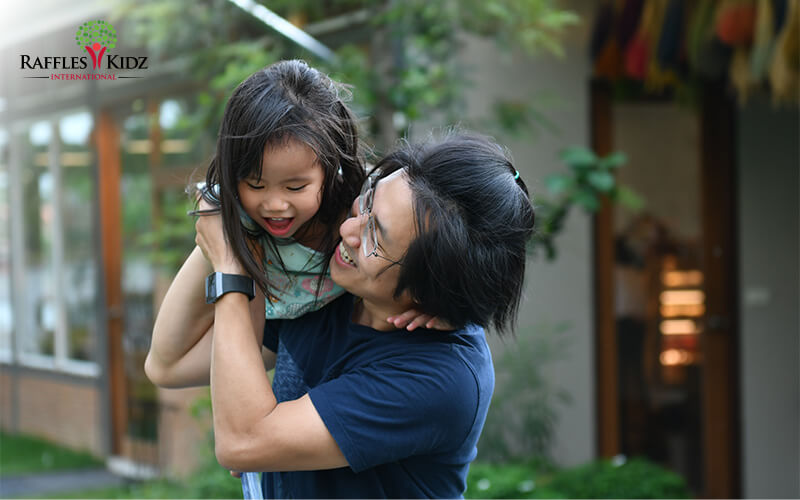
Separation Anxiety
Many young children struggle with goodbyes during the first few days or weeks. This is a normal developmental stage, especially when they are adjusting to being apart from their primary caregivers for the first time.
Social Concerns
Children may worry about making friends, joining group play, or communicating with unfamiliar peers. These concerns often ease as they participate in guided activities and experience predictable interactions.
Adjustment to a New Environment
A new school environment can feel overwhelming at first. Children may be unsure about unfamiliar spaces, routines, and expectations, which can make the first days feel daunting. It is normal for them to need time to explore, observe, and gradually feel comfortable in their new surroundings. These uncertainties often contribute to adjustment-related worries that many young children experience.
Academic Readiness Fears
Some parents wonder if their child is “ready” for learning activities. In reality, early education focuses on exploration and play. Following preschool tips on the first day of school and practising simple routines at home can help children feel more prepared.
Routine and Regulation Challenges
Adapting to scheduled mealtimes, nap times, and class activities can feel unfamiliar for some children, especially during the early weeks of school. These shifts require children to adjust their internal rhythms and follow new expectations, which can take time. Supportive guidance from teachers, along with consistent routines at home, helps children gradually recognise patterns and understand what comes next. As familiarity grows, they become more comfortable managing transitions and participating confidently throughout the day.
Parent Guilt or Uncertainty
Parents may wonder whether their child will cope well with the transition or struggle with separation anxiety in preschool settings. These concerns are understandable and typically lessen as children build trust with their teachers and establish daily rhythms.
How Parents Can Help Ease These Fears
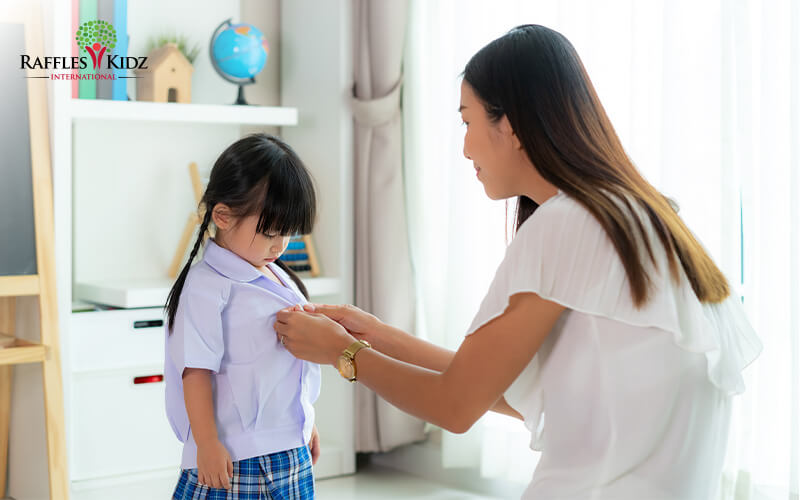
Acknowledge Feelings with Empathy
Let your child know that it’s normal to feel nervous. A validating, calm conversation builds emotional security and can soften early signs of separation anxiety in preschool. When parents take time to name emotions and reassure children that their feelings are understood, it promotes emotional awareness and trust. Encouraging children to express their worries, offering simple explanations about what to expect, and maintaining a gentle tone helps them process unfamiliar experiences with greater confidence.
Prepare Together through Gentle Exposure
Visit the school beforehand, introduce your child to the classroom environment, or practise simple role-play scenarios, such as pretending to pack a school bag together or reading books about starting school. These preschool transition tips help reduce fear of the unknown and build familiarity with upcoming routines.
Establish a Positive and Consistent Goodbye
A short, warm, and predictable farewell, such as a special wave, handshake, or simple phrase, helps children understand what to expect. This consistency reduces anxiety and empowers them to settle in with confidence.
Support Comfort and Familiarity
If the school allows it, let your child bring a small comfort object, like a soft toy or blanket. Items like these provide grounding during early adjustment periods in nursery school when routines are still new.
Choosing the Right Preschool
When parents explore preschools, other than accessibility near their homes, considering whether it provides a warm and supportive environment should be key as well. These practical factors help children feel more secure, supported, and confident as they settle into routines and classroom life.
Address Specific Worries with Simple Solutions
If your child worries about navigating the school environment, break solutions into manageable steps and encourage your child to ask questions openly.
- “Your teacher will show you where the toilet is.”
- “Your bag will stay in the same cubby every day.”
- “If you need help, you can ask your friends or teacher.”
This helps children feel prepared and less overwhelmed.
Stay Calm, Confident, and Reassuring
Children naturally mirror their parents’ emotions. Showing calmness and optimism supports emotional resilience and helps reduce separation anxiety in preschool during drop-off. When parents approach the transition with steady, positive energy, children are more likely to feel safe and capable in the new environment. Simple behaviours such as maintaining a warm tone, offering predictable goodbyes, and avoiding rushed or tense handovers further reinforce a sense of security. These cues signal to children that school is a safe place, making it easier for them to settle into their day.
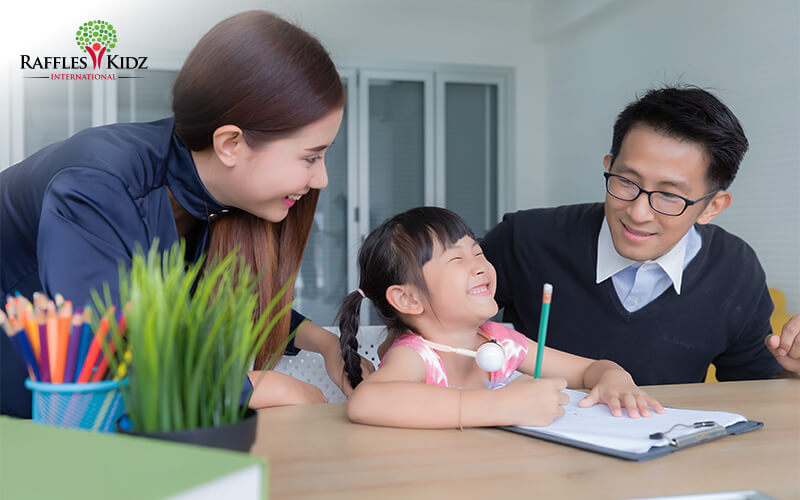
Partner Closely with Teachers
Teachers provide reassurance, progress updates, and personalised strategies tailored to your child’s needs. Early childhood education plays a crucial role in supporting development, especially during the first years of nursery. Collaborating with them helps you understand your child’s growth and learning milestones, ensuring a smoother adjustment during these formative years.
Strengthen Home–School Consistency
Reinforce simple routines at home, such as reading time, practising sharing, or tidying up, to mirror the structure your child will experience in a nursery and preschool setting. This alignment builds confidence and reduces early-school jitters for young learners.
Conclusion
Navigating the transition to preschool takes time, patience, and steady support, but children adapt more quickly when their emotional needs are understood and validated. Addressing common concerns, whether they relate to separation anxiety in preschool, social readiness, or new routines, helps your child feel more secure and confident as they begin their learning journey.
At Raffles Kidz International, teachers work closely with parents to make this milestone reassuring, enriching, and developmentally supportive for every child.
Interested in giving your child a confident start? Contact Raffles Kidz International today to find out how we can help your child transition smoothly into our preschool.


 Raffles Kidz