Key Takeaways
- A structured daily routine helps children feel secure, confident, and ready to learn.
- Play-based activities build essential cognitive, social, and communication skills.
- Outdoor time and hands-on exploration support healthy physical and emotional development.
- Mealtimes, rest periods, and reflection sessions teach independence, self-regulation, and positive habits.
Introduction
A thoughtfully designed school day plays a vital role in shaping your child’s early learning experiences. For most private preschools in Singapore, routines are intentionally planned to nurture confidence, curiosity, social-emotional well-being, and independence. From the moment children arrive, each part of the day works together to create a balanced, engaging, and developmentally supportive environment where learning feels both meaningful and fun.
Warm Welcomes and Morning Routines
The day begins with warm greetings to help children ease into the classroom with a sense of familiarity and comfort. Teachers conduct simple health checks, followed by a purposeful settling-in period that encourages confidence and emotional readiness.
Circle time then brings the group together through songs, stories, and class discussions, which are essential components of an early childhood classroom routine. These shared interactions help children practise communication skills, understand group expectations, and develop a sense of belonging, setting a positive tone for the rest of the day.
Such intentional transitions reflect the nurturing structure typical of a private preschool in Singapore, where consistency helps children feel grounded and ready to learn.
Structured Learning Through Play
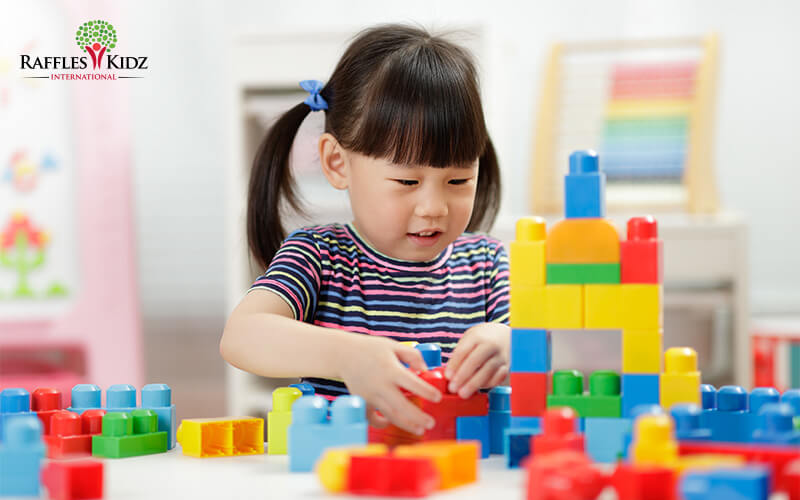
The morning learning block focuses on guided play-based activities that build foundational literacy, numeracy, motor, and sensory skills. Instead of rigid instruction, children learn through hands-on discovery, teacher-led tasks, and collaborative exploration.
These structured preschool activities help develop problem-solving skills, creativity, and curiosity in ways that feel organic and enjoyable. Learning centres may include storytelling corners, numeracy stations, or sensory tables, each designed to support different aspects of cognitive development.
Schools may also integrate enrichment programmes into their planned learning sessions to further extend children’s interests, whether in language exposure, music, or creative expression. During these routines, some programmes may naturally incorporate bilingual exposure, similar to what families may expect in environments that resemble a Mandarin preschool. Through this balanced approach, children experience meaningful learning without feeling overwhelmed.
Outdoor Play and Physical Development
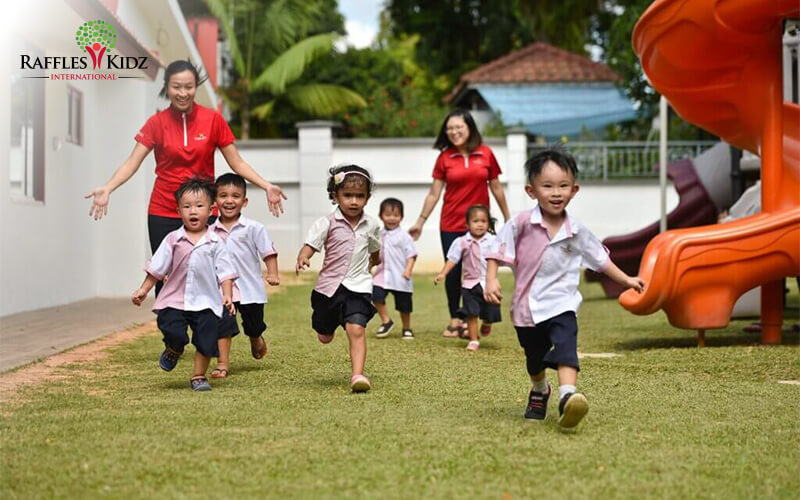
Outdoor time is an essential segment of the daily routine, offering opportunities for movement, collaboration, and exploration. Children develop balance, coordination, and motor skills through running, climbing, and group games. They also learn important social skills such as taking turns, negotiating rules, and communicating with peers, which strengthen their emotional regulation and resilience. These experiences reflect the rhythm of daily preschool activities, where physical development is as important as academic learning.
In a private preschool in Singapore, outdoor play is intentionally included to support physical health, emotional well-being, and a healthy outlet for energy.
Meals, Rest, and Routines That Teach Independence
Mealtimes serve as quiet teaching moments throughout the day. Whether choosing their snacks, cleaning up after eating, or serving themselves with guidance, children learn responsibility, self-help skills, and independence. After lunch, younger learners transition into restful activities such as nap time or quiet reading, calmer segments which support their emotional well-being and help children regulate their energy for the rest of the day.
These routines foster comfort and predictability for young learners, reinforcing the thoughtful structure of a nurturing, well-planned private preschool experience in Singapore.
Afternoon Explorations and Reflection
As the day winds down, children participate in creative explorations such as storytelling, music, dramatic play, or art. These activities allow them to express emotions, strengthen imagination, and connect new learning to real-life experiences.
Educators may guide children in simple end-of-day conversations that help them settle, process their experiences, or transition calmly before dismissal. This mindfulness practice supports emotional maturity and provides meaningful closure to the school day. Such transitions reflect common approaches observed across nursery, preschool, and early childhood environments, contributing to a purposeful, child-centred learning day.
Conclusion
A well-structured daily routine helps children feel secure, motivated, and excited to learn. From warm morning greetings to enriching hands-on activities, every part of the day supports holistic development in thoughtful, age-appropriate ways.
At Raffles Kidz International, this balanced routine is carefully designed to nurture academic readiness, social skills, emotional resilience, and joyful exploration, core elements found in a leading private preschool in Singapore.
If you want to provide your child with a valuable early learning experience, contact Raffles Kidz International today to schedule a visit.