Key Takeaways
- Young children thrive when they learn to identify, name, and communicate their feelings with guidance from supportive educators.
- Safe, predictable environments help children express emotions confidently and build healthier relationships with peers.
- Daily routines in preschool provide natural opportunities for practising patience, cooperation, and self-control.
- Consistent collaboration between teachers and parents strengthens children’s emotional growth both in school and at home.
Introduction
For many parents, one of the biggest challenges in the early years is helping their child understand and manage emotions. Tantrums, frustration, separation anxiety, and difficulty expressing feelings are common during the preschool years, but they also present important learning opportunities.
In preschool, emotional development is guided through daily routines, teacher interactions, peer relationships, stories, conversations, and structured experiences that help children recognise, express, and manage their feelings appropriately.
When supported well, children develop more than confidence. They learn how to communicate their needs, cope with disappointment, resolve small conflicts, and build positive relationships. These skills strengthen emotional regulation in early childhood and support future learning, friendships, and school readiness.
Why Emotional Development Cannot Be Left to Chance
Children naturally experience many emotions, but learning how to manage them effectively takes time, guidance, and consistent support. Young children benefit from safe environments where they can gradually understand different feelings and learn appropriate ways to respond.
Without this support, some children may struggle with frustration, communication, sharing, turn-taking, or adapting to social situations. Emotional development therefore plays an important role in how children learn, interact, participate, and respond to challenges.
A structured preschool environment helps support emotional learning intentionally. Through predictable routines, caring teacher guidance, and meaningful peer interactions, children gradually build the confidence and skills needed to manage emotions, form friendships, and approach new experiences positively.
Recognising and Naming Emotions
One of the first steps in emotional development is helping children recognise and name their feelings. In preschool, educators may use stories, songs, emotion cards, role play, picture books, and guided conversations to help children identify emotions such as happiness, sadness, worry, anger, pride, or disappointment.
This gives children the emotional vocabulary needed to express themselves more clearly. Instead of reacting through crying or frustration, children gradually learn to communicate how they feel and ask for support when needed. This strengthens emotional intelligence in preschoolers by helping them understand both their own emotions and the feelings of others.
As children become more emotionally aware, they are better able to communicate their needs, manage small conflicts, and respond positively in social situations. These skills are especially important in preschool, where children are learning to share, take turns, and participate in group activities.
Creating Safe Spaces for Expression
A secure environment plays an important role in emotional development, especially as young children learn how to manage big emotions. Children need to feel that their emotions are accepted, even when certain behaviours require guidance. When teachers respond calmly and consistently, children feel safer expressing themselves.
Warm teacher relationships, predictable routines, and thoughtfully designed learning spaces help children feel settled and supported. This strengthens emotional development by showing children that difficult feelings can be understood and managed with guidance.
At Raffles Kidz International, children are supported through caring teacher interactions, structured daily routines, and a nurturing environment where emotional expression is guided in age-appropriate ways. This helps children build confidence, trust, and a stronger sense of belonging in school.
Teaching Emotional Regulation Through Everyday Moments
Preschool routines expose children to daily situations that teach patience, cooperation, and self-control. These natural learning moments support understanding emotional development, helping children recognise what they feel and how to respond appropriately. In many Singapore preschools, structured emotional learning is increasingly recognised as equally important as academic readiness during the early years.
Emotional regulation in early childhood also develops through simple classroom interactions. Whether children are taking turns, settling disagreements, or waiting for a preferred activity, they learn to pause, reflect, and choose thoughtful responses. When children develop stronger self-regulation skills, they become more ready to participate in learning, stay focused during activities, and engage positively with their peers.
Modelling Positive Emotional Behaviour
Children learn by observing the adults around them, so educators play an important role in shaping how young learners respond to challenges. By modelling calm communication, kindness, and empathy, teachers reinforce emotional development throughout the day. Over time, children internalise these behaviours and learn to make thoughtful choices, even when they feel upset or overwhelmed. This kind of guided support is especially impactful in smaller class settings, where teachers can offer more personalised attention. It also supports preschool social and emotional learning, ensuring children receive guidance that is consistent and developmentally appropriate. With closer attention from educators, children’s emotional cues can be recognised early and supported with timely responses.
Partnering with Parents to Support Emotional Growth
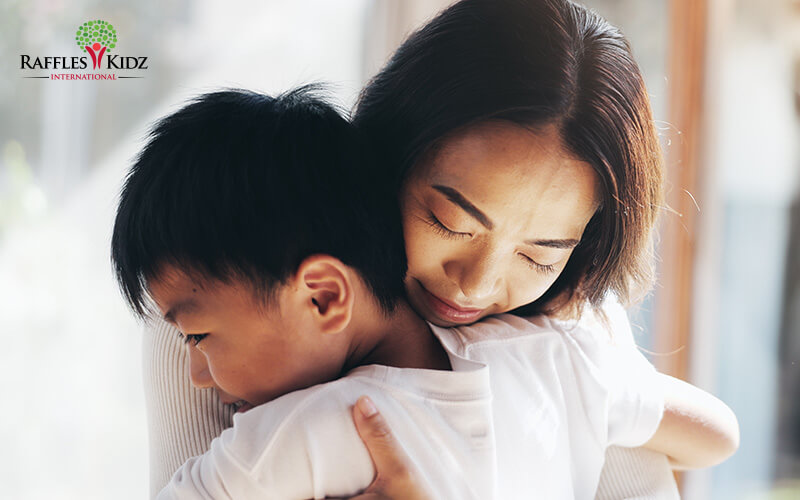
A strong partnership between school and home helps children receive consistent support as they learn to understand and express their emotions. When teachers and parents use similar language and approaches, children experience greater stability across both environments.
At Raffles Kidz International, teachers regularly share observations, updates, and practical strategies to help parents better understand their child’s social and emotional development in school.
Parents can support emotional growth at home by:
- Using emotional vocabulary to help children identify their feelings
- Acknowledging emotions before offering guidance
- Modelling calm behaviour during challenging moments
- Giving children space to talk about worries or frustrations
- Encouraging simple problem-solving with gentle support
When school and home work together, children receive the consistent guidance needed to build confidence, emotional resilience, and a stronger sense of security during the preschool years.
How to Choose a Preschool That Supports Emotional Development
When evaluating preschool options, parents should look beyond academics and consider how emotional development is supported throughout the day. A strong preschool environment should help children feel safe, understood, and confident while giving them regular opportunities to practise social and emotional skills.
Key factors to look for include:
- Consistent routines that help children feel secure
- Teachers who guide emotional expression and problem-solving
- Small class sizes for more personalised attention
- Opportunities for social interaction and guided peer engagement
- A nurturing environment where children feel safe expressing feelings
- Clear communication between teachers and parents
- A curriculum that supports confidence and independence
For parents searching for a preschool Singapore families can trust, emotional support should be integrated into daily learning rather than treated as an occasional activity. A preschool that intentionally supports emotional development helps build a stronger foundation for learning, relationships, and future school readiness.
Why Emotional Development Matters for School Readiness
Emotional development plays a critical role in preparing children for primary school. Children who can manage emotions more effectively are better equipped to listen, follow routines, stay focused during lessons, adapt to new expectations, and interact positively with peers and teachers.
This is why understanding emotional development is closely linked to school readiness. A child may know letters and numbers, but if they struggle to cope with frustration, separate from parents, communicate needs, or work with others, the transition to formal schooling can feel more difficult.
Strong emotional foundations support independence, resilience, and confidence. When children learn to manage emotions, solve small problems, and build positive relationships, they become better prepared both socially and emotionally for the next stage of learning.
Conclusion
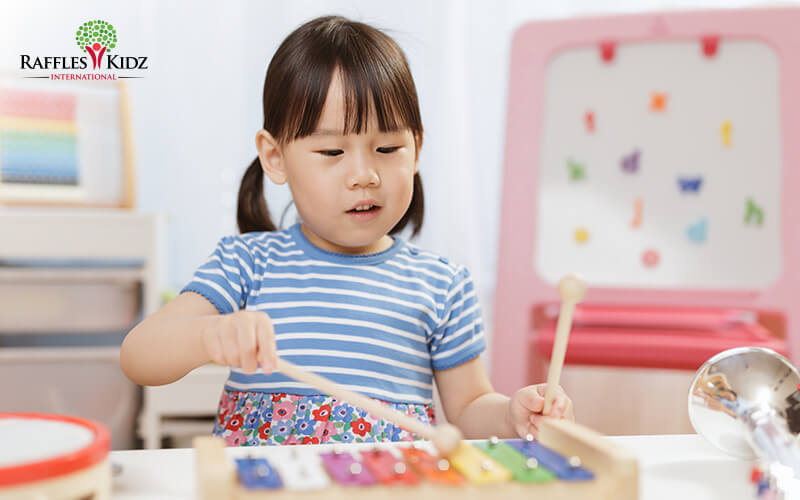
Emotional learning shapes how children communicate, solve problems, build friendships, and adapt to new situations. When preschools focus on both emotional and cognitive development, children develop the confidence, steadiness, and resilience they need for long-term success.
At Raffles Kidz International, emotional development is intentionally embedded into the daily learning experience. Through structured routines, small class sizes, guided interactions, bilingual immersion, inquiry-based activities, and thoughtfully designed learning corners, children receive consistent support in recognising, expressing, and managing their emotions.
Our educators work closely with children during real-life situations, helping them reflect on their feelings, develop appropriate responses, and build confidence in social interactions. These daily experiences support emotional regulation, emotional intelligence, and social-emotional learning in young children.
If you are exploring a preschool environment that supports both academic learning and emotional development, we invite you to visit Raffles Kidz International and experience how our programmes nurture confident and resilient young learners. Book a personalised school tour to see how structured routines, supportive educators, and a thoughtfully designed environment can make a meaningful difference in your child’s growth.