
Key Takeaways
- A strong preschool foundation is enhanced when enrichment is integrated into daily learning rather than offered as separate add-on experiences.
- Beyond core literacy and numeracy, structured enrichment supports communication, creativity, adaptability, and independent thinking in age-appropriate ways.
- Consistent exposure to collaborative and exploratory activities strengthens cognitive flexibility, resilience, and essential social skills during the early childhood years.
- When enrichment is aligned with the core preschool curriculum, children benefit from a cohesive environment that supports intellectual, emotional, and social development together.
The Singapore Preschool Landscape
For many parents in Singapore, choosing a preschool is no longer just about academic readiness. Families are increasingly looking for an environment that supports language, creativity, confidence, social skills, and problem-solving in a meaningful and structured way. This is why enrichment has become an important part of preschool selection.
Singapore’s early childhood approach is guided by national early childhood frameworks that support holistic development across language, social, emotional, cognitive and creative domains.
In short, integrated enrichment programmes are preschool activities built into the regular school day, rather than offered as separate add-on classes. This allows children to develop language, creativity, confidence, social skills and problem-solving through repeated exposure within a familiar learning environment.
Not all of these learning experiences are delivered the same way. Some are offered as optional add-ons outside school hours, while others are integrated into the daily curriculum. For busy Singapore families, this difference matters because weekend or after-school classes can add extra travel, scheduling pressure, and costs on top of an already packed routine. Children often benefit more when learning experiences are consistent and reinforced throughout the school day.
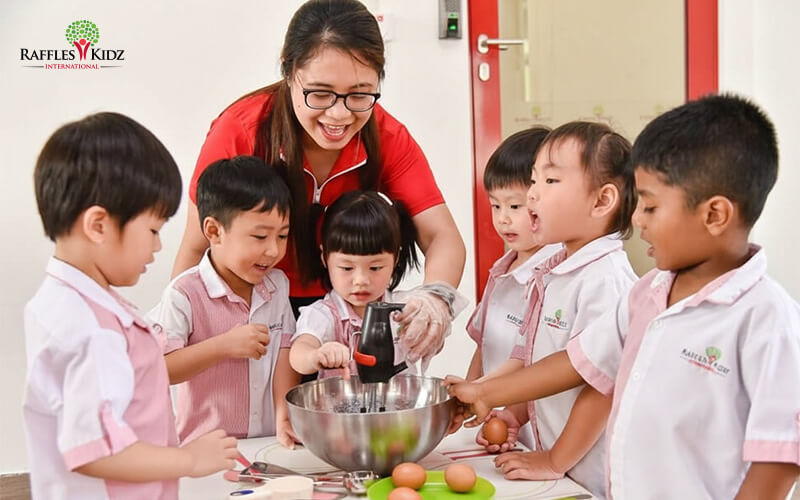
At Raffles Kidz International, enrichment is intentionally integrated into the preschool experience through programmes such as Chinese Speech and Drama, Creative Art, Gourmet Chef, and Confident Readers. These activities support children’s development by building communication skills, creativity, confidence, independence, and a love for learning within the regular school routine.
Understanding the difference between integrated and add-on enrichment can help parents make more informed decisions about their child’s early education and overall development.
Beyond the Basics: Why Enrichment Matters in Preschool
Core literacy and numeracy are important in preparing children for Primary 1. However, early childhood education should not focus only on reading, writing, and numbers. Young children also need opportunities to express ideas, solve problems, build confidence, work with others, and develop curiosity about the world around them.
This is where well-planned enrichment can add meaningful value. Preschool enrichment activities such as Speech and Drama, Creative Arts, hands-on cooking, early literacy exploration, music, movement, and inquiry-based projects allow children to apply what they learn in practical and engaging ways.
For example, drama activities strengthen expressive language, confidence, and perspective-taking. Creative art supports focus, imagination, and self-expression. Gourmet Chef activities can introduce sequencing, sensory exploration, independence, and simple problem-solving. Confident Readers helps children build early literacy confidence through structured exposure to language and stories.
These experiences are not just extra lessons. When thoughtfully planned, they reinforce classroom learning and support children’s overall development. They help children develop a broader foundation for school readiness, including communication, adaptability, creativity, collaboration, and independent thinking.
For many families, enrichment also supports the desire to give children a confident start before formal schooling begins. This is especially relevant for parents exploring a Chinese preschool in Singapore, where language exposure and confidence in communication are important considerations.
The “Hidden” Benefits: Social and Cognitive Growth
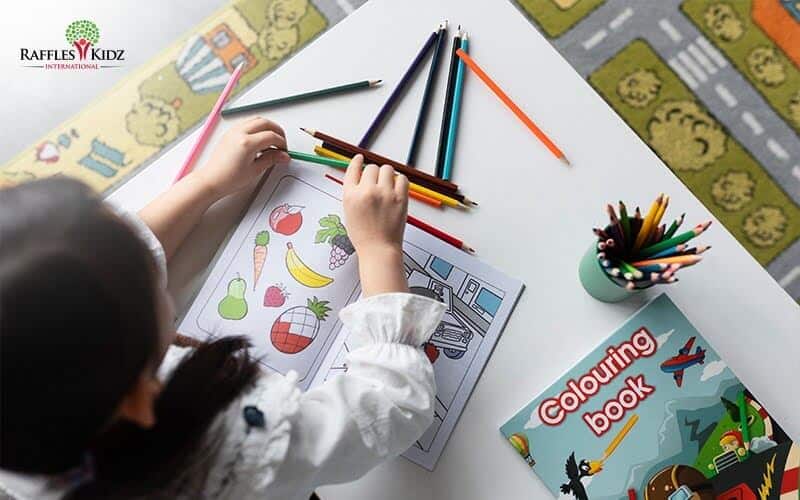
The benefits of enrichment extend beyond visible skills. Activities such as music, drama, art, storytelling, cooking, guided exploration, and collaborative projects stimulate different areas of learning compared to traditional literacy and numeracy lessons. These varied experiences help children think creatively, adapt to new situations, and approach challenges with confidence.
When children encounter ideas through different formats, such as movement, speech, discussion, sensory exploration, and hands-on tasks, they are more likely to connect concepts meaningfully. Instead of simply memorising information, children learn to apply knowledge across different situations. This supports cognitive flexibility and strengthens long-term understanding.
Social growth is another important benefit. Through structured enrichment learning, children practise taking turns, listening to others, expressing opinions, managing small frustrations, and completing tasks together. These soft skills are essential in the preschool years because they shape how children participate in group learning and build relationships.
When enrichment is aligned with the core curriculum, it becomes part of a wider approach to well-rounded early learning. Children are not only learning more; they are learning in ways that support confidence, resilience, creativity, communication, and problem-solving.
Addressing the Accessibility Gap in Singapore
While these experiences can meaningfully support development, not every preschool integrates them into daily routines. In many cases, families enrol children in external classes conducted during weekends or after school hours. This may require additional travel and scheduling coordination.
Over time, this fragmented structure can also reduce continuity between weekday learning and weekend activities. When enrichment is disconnected from classroom themes, educators have fewer opportunities to build upon those experiences in a coherent way. Children may enjoy the activity, but the developmental reinforcement becomes less consistent.
When enrichment is separate from weekday learning, children may experience lessons as isolated activities. Learning becomes more cohesive when enrichment is part of the regular school day, allowing educators to reinforce concepts intentionally and connect them with classroom themes within the same bilingual preschool environment in Singapore. This continuity strengthens understanding and supports steady developmental progress.
Are Enrichment Activities Included in Preschool Fees?
For many parents, a key question is whether enrichment activities are included in the preschool experience or charged separately as optional classes. When these learning experiences are built into the regular school day, children can benefit from broader exposure without parents having to arrange multiple external classes after school or on weekends.
At Raffles Kidz International, activities such as Chinese Speech and Drama, Creative Art, Gourmet Chef, and Confident Readers are integrated into the school day. This gives children a more cohesive learning journey while offering parents greater convenience and peace of mind.
Integrated vs Add-On Enrichment: What’s the Real Difference?
While both integrated and add-on enrichment programmes aim to support children’s development, the way they are delivered can make a significant difference.
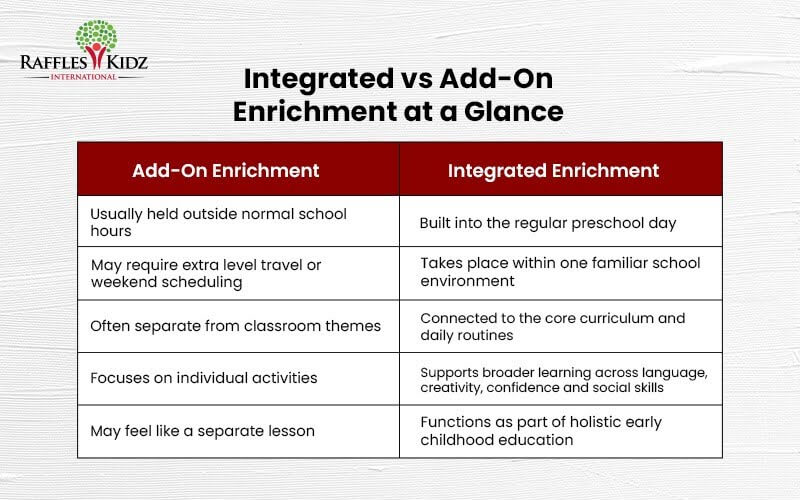
Add-on enrichment programmes are usually conducted outside regular school hours. They may provide exposure to specific skills, but they often operate separately from the child’s core curriculum. This can lead to fragmented learning, where children enjoy the activity but may not connect it meaningfully to what they are learning in class.
Integrated enrichment programmes are built into the daily timetable. Teachers can connect enrichment activities with classroom themes, language development, social interaction, and inquiry-based learning. This allows children to practise skills across multiple contexts and develop them more naturally.
For example, a story introduced during literacy can be extended through drama, art, discussion, and bilingual expression. A simple cooking activity can support sequencing, vocabulary, confidence, independence, and social interaction. These connections turn enrichment into connected learning experiences rather than isolated activities.
For working parents, integrated programmes also reduce the need for additional scheduling. Children receive well-rounded development within one familiar preschool environment, while parents benefit from a more convenient and cohesive arrangement.
How to Choose a Preschool with the Right Enrichment Programmes
When evaluating preschool options, parents should look beyond whether enrichment programmes are offered and consider how they fit into the child’s daily learning experience. A strong enrichment approach should support development meaningfully without overwhelming the child’s schedule.
Key considerations include:
- Whether enrichment is integrated into the daily curriculum or offered separately
- How consistently skills are reinforced across classroom activities
- Whether programmes support language, creativity, confidence, and socio-emotional development
- How enrichment connects with the preschool’s core curriculum
- Whether activities are age-appropriate and meaningful
- How well the schedule fits into the family’s daily routine
- Whether enrichment supports a balanced approach to holistic early childhood education
Parents may also wish to ask whether enrichment is included within the school day, how often activities are conducted, and how teachers connect these experiences back to classroom learning. A well-designed preschool programme in Singapore should ensure that enrichment complements core learning rather than competing with it. When integrated meaningfully, enrichment helps create a balanced and cohesive environment that supports long-term development.
Conclusion: The Raffles Kidz Difference – Integrated and Holistic
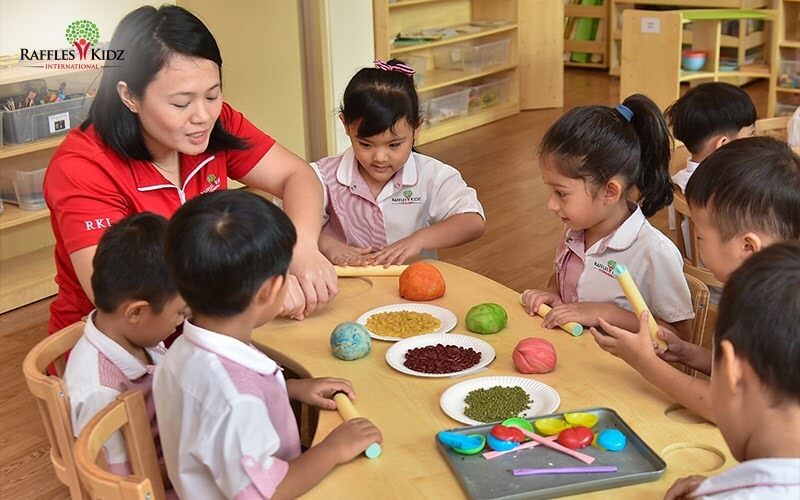
Enrichment programmes are most impactful when they are integrated into daily learning rather than treated as occasional extras. When embedded within a structured curriculum, they contribute meaningfully to well-rounded early learning by supporting intellectual, emotional, social, creative, and language development in a balanced way.
At Raffles Kidz International, enrichment is not treated as an optional add-on. Our enrichment experiences are intentionally built into the school day, allowing children to enjoy meaningful exposure to Chinese Speech and Drama, Creative Art, Gourmet Chef, and Confident Readers as part of their preschool journey.
This integrated approach allows teachers to connect enrichment objectives with classroom goals. Language concepts can be reinforced through drama and storytelling, confidence can be developed through class presentations, creativity can be expressed through art, and independence can be encouraged through hands-on activities. These complementary learning programmes help children apply what they learn in varied and meaningful ways.
By embedding enrichment into the school day, children benefit from a cohesive learning journey while parents avoid the need for multiple after-school arrangements. This approach supports both the child’s development and the practical needs of modern families.
If you are exploring a structured bilingual preschool setting that provides a strong academic foundation and integrated learning experiences, we invite you to visit Raffles Kidz International. Book a personalised tour at Raffles Kidz International to discover how our integrated learning approach, bilingual curriculum, and well-designed preschool environment can support your child’s confidence, creativity, and love for learning.
Frequently Asked Questions About Preschool Enrichment
1. Are enrichment experiences important in preschool?
Yes. When age-appropriate and connected to the preschool curriculum, enrichment can support communication, creativity, confidence, social skills, and problem-solving.
2. What is the difference between integrated and add-on enrichment?
Integrated enrichment is built into the regular school day and connected to classroom learning. Add-on classes are usually conducted separately, often after school or on weekends.
3. Does Raffles Kidz International offer enrichment activities?
Yes. Raffles Kidz International includes activities such as Chinese Speech and Drama, Creative Art, Gourmet Chef, and Confident Readers within the school day.
4. Why does an integrated approach benefit young children?
An integrated approach helps children apply what they learn across different activities, routines, and social settings. This creates a more cohesive and meaningful learning experience.