Key Takeaways
- Early learning settings provide daily opportunities for children to practise communication, cooperation, and emotional understanding.
- Structured activities and guided play help young learners build confidence, empathy, and positive relationship habits.
- Working in groups teaches children how to listen, negotiate, and contribute to shared goals.
- Supportive teachers and thoughtfully designed routines play a crucial role in shaping healthy social behaviours during the early years.
Introduction
From learning how to share toys to expressing empathy toward friends, social development in early childhood is more than just a growth milestone; it shapes how children communicate, collaborate, and forge meaningful connections throughout their lives. In a high-quality preschool environment, every classroom interaction offers children opportunities to gain insights into themselves and others. As young learners engage in group activities, playground play, and daily routines, they gradually develop the emotional intelligence and social awareness that form the foundation for future friendships and resilience. This article delves into why these early social experiences matter and how preschools intentionally nurture them each day.
Laying the Foundation for Future Relationships
Forming positive relationships starts with consistent, everyday interactions. When teachers encourage children to share materials, take turns, and cooperate with their peers, they are helping them nurture the building blocks of trust and respect, which are core components of social development in early childhood.
These foundational interpersonal skills affect how children form friendships and manage conflict later in life. High-quality early learning environments emphasise the importance of social skills in early childhood, helping children learn to respond appropriately, manage their reactions, and grasp group expectations.
Developing Communication and Empathy
Conveying thoughts clearly and recognising others’ emotions are central to social and emotional development in preschool. Through storytelling, role-play, and guided conversations, children learn to express their ideas, recognise social cues, and identify emotions.
These daily experiences help young learners understand not only how they feel but how others may be feeling too. When children practise empathy, reflective listening, and perspective-taking, they strengthen their ability to become more thoughtful communicators, making it easier to navigate friendships in diverse early learning environments.
Learning to Work as a Team
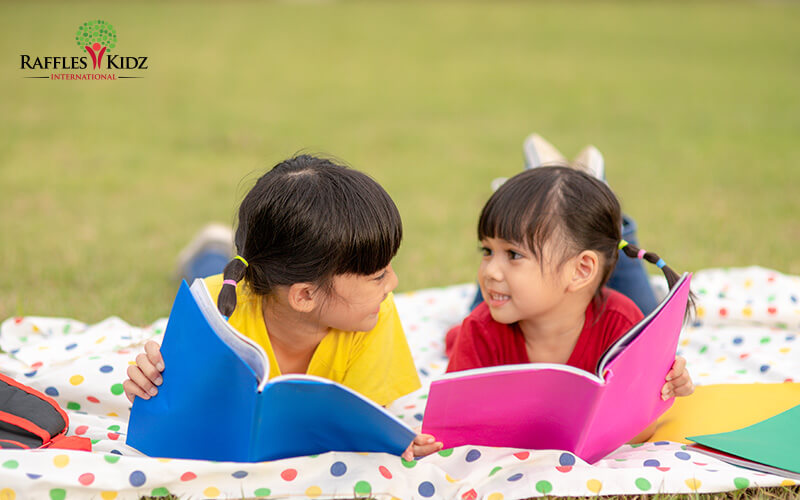
Teamwork is not just a classroom skill; it is an essential life skill. Collaborative activities, such as building structures together, completing group projects, or participating in shared class responsibilities, offer children the opportunity to negotiate ideas, listen actively, and contribute to a common goal.
These moments significantly enhance social development in early childhood by teaching children that cooperation is often more effective than working in isolation. As they engage in these shared experiences, children gradually develop the confidence to become effective team players capable of managing differing viewpoints respectfully.
Building Confidence Through Positive Social Experiences
Confidence flourishes when children feel accepted, valued, and encouraged. Each warm exchange, successful group activity, and caring peer interaction reinforces a sense of belonging that is crucial for healthy development. Positive social encounters not only facilitate emotional growth but also influence how children approach new challenges. When educators cultivate these warm, supportive experiences, children develop the self-assurance they need to speak up, participate actively, and embrace new learning opportunities, thereby reinforcing social development in early childhood.
How Preschools Support Social Growth Every Day
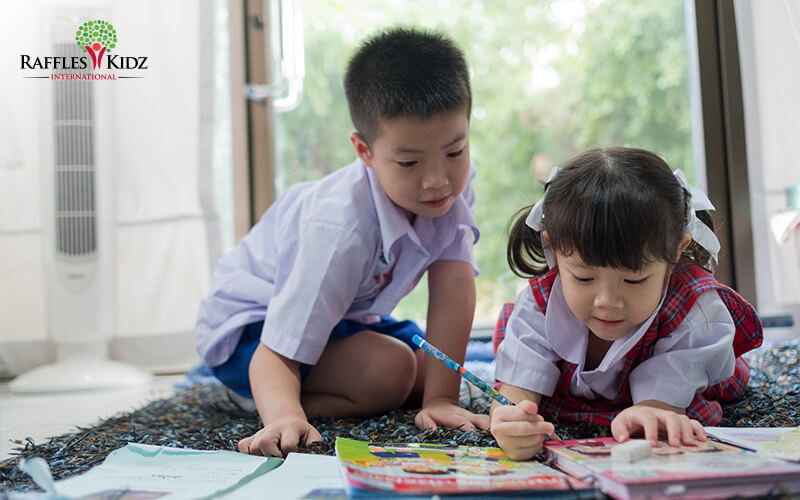
When searching for a preschool in Singapore, parents often seek environments where warm relationships and positive social encounters are part of everyday learning. In a well-designed preschool environment, social development is not a separate subject, but is seamlessly integrated into daily routines.
- Circle time: Fosters respectful listening, turn-taking, and sharing opinions
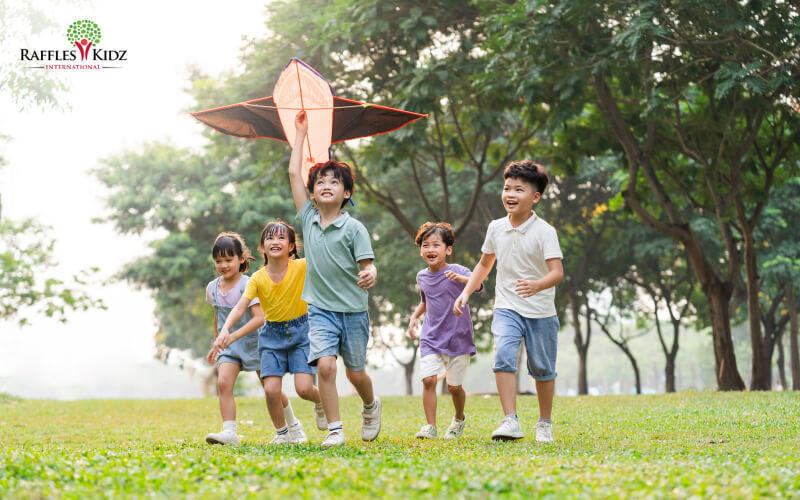
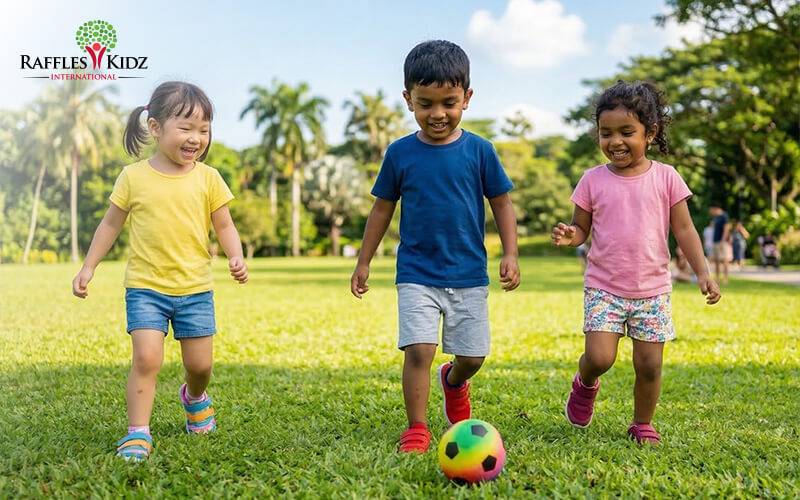
- Outdoor play: Reinforces teamwork, problem-solving, and inclusive play
- Classroom transitions: Builds cooperation, teamwork and a sense of responsibility
These experiences illustrate how preschool supports social growth by nurturing kindness, respect, and emotional maturity.
When exploring preschool options, many parents prioritise nearby preschools with environments where children can practice cooperation and build positive relationships through everyday play. These social interactions are the heartbeat of the classroom, helping children feel supported while learning alongside their peers. For families seeking a multicultural edge, a Chinese preschool in Singapore can offer a unique social dimension, with bilingual exposure woven into daily routines, teaching children to collaborate and communicate across different languages, which is a vital skill in a diverse community.
Conclusion
A high-quality preschool environment is filled with opportunities for social development in early childhood. Through thoughtful guidance, structured routines, and meaningful peer interactions, children learn to communicate with empathy, collaborate as a team, build confidence, and form meaningful relationships. These skills not only shape their early experiences but also influence how they navigate school, relationships, and community life in the future.
At Raffles Kidz International, we take this a step further by giving our children a bilingual social edge. In our immersive environment, social development in early childhood is enriched as children learn to navigate two languages simultaneously. This dual-language approach does more than just build vocabulary; it fosters cognitive flexibility and a deeper level of empathy as children learn to communicate and connect with a diverse range of peers.
Schedule a school tour with Raffles Kidz International today and discover how our holistic bilingual learning environment helps young children thrive.