
Key Takeaways
- Parents can better recognise meaningful developmental milestones beyond basic academics by observing daily behaviours and interactions.
- Progress in communication, social confidence, motor skills, and problem-solving offers a clearer picture of a child’s overall development.
- Open conversations with educators help families stay aligned and informed about their child’s learning journey.
- Simple routines at home can reinforce classroom learning and nurture a child’s confidence, independence, and readiness for future growth.
Introduction
Every parent wonders how their child is progressing during their early school years. Beyond reciting songs or naming colours, a child’s development encompasses subtle shifts in confidence, communication, social readiness, and independence, the genuine areas of growth in preschool that shape lifelong learning. Recognising these milestones helps parents appreciate meaningful progress and feel assured that their child is flourishing in a warm, supportive environment.
Understanding Milestones Beyond Academics
Preschool development goes far beyond early academics. Teachers observe how children adjust to group settings, communicate their needs, and manage their emotions, all of which provide a holistic view of the diverse areas of growth in preschool that matter most.
Daily routines, purposeful learning corners, and guided play allow educators to support these skills while helping children articulate themselves clearly and engage confidently in classroom activities.
To keep families informed, many centres emphasise strong communication with parents throughout their child’s early childhood years, giving insight into the context behind daily behaviours and developmental progress.
Key Developmental Areas Teachers Look For
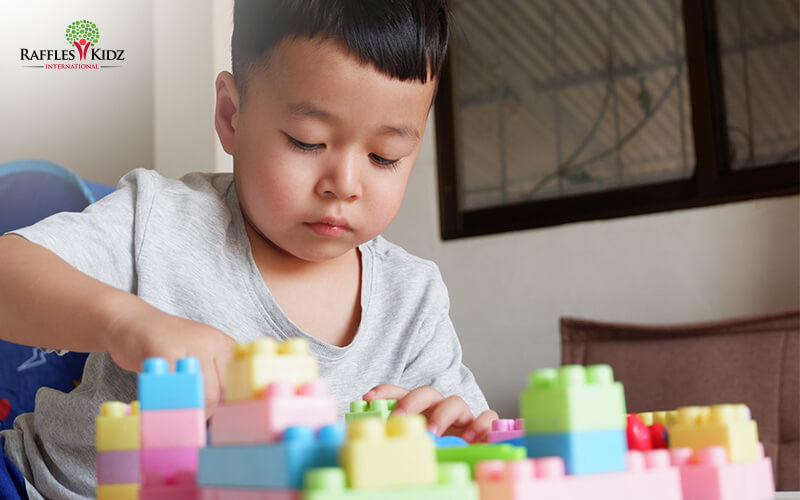
While every child develops at their own pace, educators typically monitor several key areas of growth in preschool to understand each child’s individual journey. These include:
Language and Communication
Children begin expressing ideas more clearly, asking thoughtful questions, and participating in simple, short storytelling or conversations with peers.
Social Skills
They learn to cooperate, share, take turns, and resolve minor conflicts under gentle teacher guidance. These social skills develop naturally through structured group play and guided classroom interactions.
Motor Skills
From balancing on outdoor playground structures to using writing tools like scissors or pencils with greater control, both fine and gross motor development become increasingly refined.
Cognitive Skills
Children demonstrate early problem-solving, pattern recognition, and logical thinking, particularly during inquiry-based and hands-on activities often found in the preschool curriculum.
Teachers observe these milestones during everyday class interactions, exploration time, and play. They later share these observations with parents during scheduled preschool progress meetings. These discussions help parents identify specific strengths, emerging skills, and areas that may benefit from further support.
How Parent–Teacher Meetings Help Track Your Child’s Learning Journey
Parent–teacher meetings are more than calendar checkpoints; they give parents a clearer understanding of the key areas of growth in preschool that their child is developing.
Through structured observations, teachers provide examples of how your child engages with peers, adapts to routines, explores learning materials, or approaches challenges. These discussions build trust and help families see the full picture behind their child’s daily experiences.
Schools that value home–school collaboration strengthen the continuity between both environments, supporting a smoother developmental journey for young learners.
Supporting Your Child’s Growth at Home
Young children thrive when learning continues through meaningful, everyday experiences. Once parents identify their child’s unique individual areas of growth in preschool, they can support them at home using approachable yet effective strategies, such as:
- Reading together to strengthen language skills, and build vocabulary and comprehension
- Offering choices during play or daily routines to foster independent decision-making
- Talking openly about emotions to build emotional vocabulary
- Encouraging outdoor movement to support motor development
These routines reinforce what they practise in the classroom and contribute to building confidence, curiosity, and independence.
Partnering With Your Child’s Preschool
While exploring reputable childcare options in Singapore, parents not only look for a comprehensive and effective preschool curriculum but also consider parent reviews on how the preschool supports strong communication.
Strong partnerships between families and teachers provide children with assurance, continuity, and a sense of belonging. Strong communication, updates on milestones, and open dialogue ensure that every child feels acknowledged and supported.
Conclusion
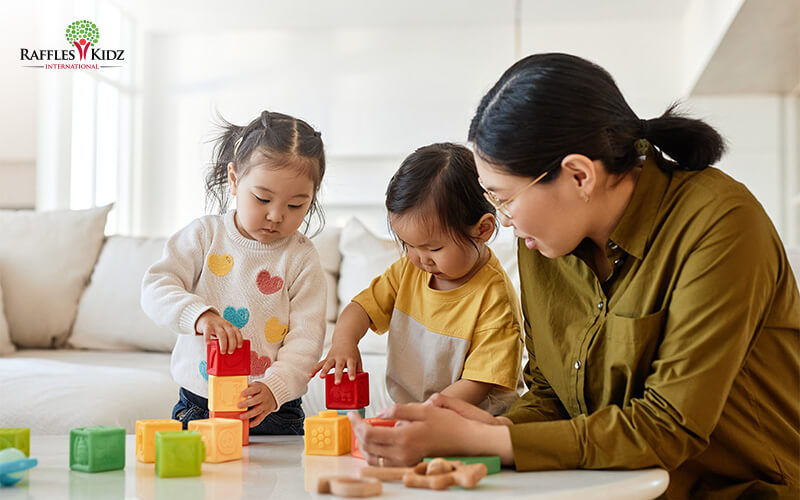
At Raffles Kidz International, families are valued as essential partners in nurturing each child’s development. We believe that strong parent-school partnerships benefit our children academically, socially, and emotionally, allowing them to gain the confidence and support they need to flourish.
Regular communication and milestone updates help parents feel confident that their child is making meaningful progress. Parents of Raffles Kidz receive regular updates through our in-house app, complemented by twice-yearly Parent-Teacher Meetings where they can review their child’s progress and portfolio.
Ready to support your child’s development in a nurturing, high-quality environment? Discover why we are the #1 Trusted Preschool in Singapore and arrange a visit today.