Key Takeaways
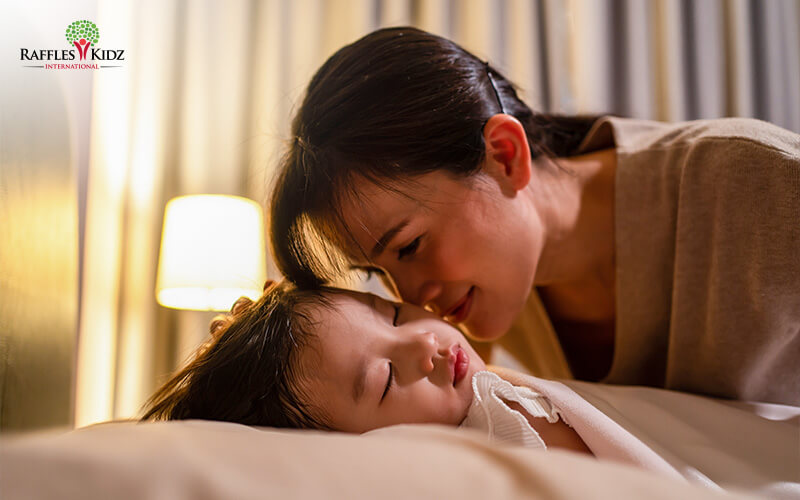
- Quality rest supports stronger memory, focus, and emotional regulation, which helps young children learn more effectively.
- Predictable daily routines create a sense of security, allowing preschoolers to transition smoothly and engage with confidence.
- Healthy habits at home, such as consistent bedtimes and simple routines, contribute to better behaviour and readiness for school.
- When home and school schedules align, children adapt more comfortably and develop essential life skills with greater ease.
Introduction
Sleep and routine play a much more significant role in preschool than many parents realise. A well-rested child is more focused, patient, and emotionally stable, all of which lay the groundwork for positive classroom experiences. Additionally, predictable daily routines help young learners feel safe and confident. Together, quality rest and structured habits contribute to healthy early childhood development, allowing preschoolers to build solid foundations for learning, behaviour, and social growth. For families establishing a sleep schedule in preschool, understanding these connections is vital for supporting a child’s overall well-being.
The Connection Between Sleep and Brain Development
During the preschool years, the brain undergoes rapid development, forming new neural pathways essential for memory, reasoning, and emotional regulation. Adequate sleep helps consolidate these processes, enabling children to process their daily experiences and strengthen their cognitive abilities. Studies on sleep and learning in early childhood suggest that well-rested children display sharper focus, greater creativity, and more consistent emotional responses.
Maintaining a healthy and predictable preschool sleep schedule ensures the brain gets the restorative time it needs to thrive in a structured classroom setting.
How Routine Shapes Confidence and Emotional Security
Predictable routines give children a reassuring sense of order. When young learners know what to expect next, whether it’s arrival time, activities, transitions, or naptime, they feel more grounded and emotionally secure. This stability lowers stress levels and encourages smoother participation throughout the day.
The importance of daily routines for children becomes especially clear during the preschool years, when emotional readiness directly impacts engagement and social confidence. A consistent daily rhythm supports both independence and resilience, strengthening habits that benefit children well beyond their early learning years.
The Impact of Rest on Learning and Behaviour
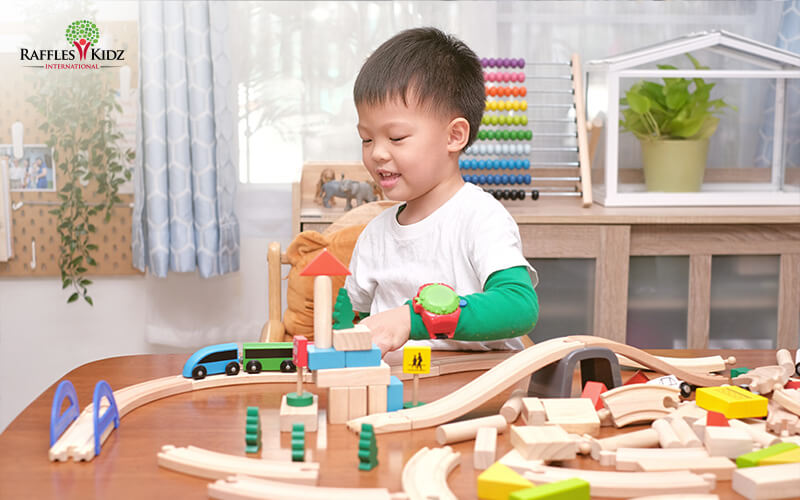
Sleep affects more than just energy levels; it directly influences attention span, behaviour, and emotional regulation. Children who follow a consistent sleep schedule in preschool tend to be more adaptable, curious, and cooperative, all qualities that enable them to participate meaningfully in both indoor and outdoor classroom activities. Conversely, insufficient rest can lead to frustration, difficulty following instructions, or withdrawal during group play.
These connections align with broader developmental expectations in childcare in Singapore, where holistic well-being is a central focus of early learning environments.
Building Independence Through Consistent Habits
Structured daily routines give children the opportunity to practise essential life skills. Simple habits, such as washing their hands, organising their belongings, cleaning up, and taking responsibility for their learning materials, help children build independence and strengthen their self-management skills. When these habits are applied consistently, they also support early childhood development, helping children manage challenges with confidence and assurance in the long term.
For schools that follow inquiry-based and Montessori-inspired approaches, such routines are intentionally woven into the day to encourage responsibility and purposeful learning. They also help children in transitioning smoothly into more structured expectations found within the preschool curriculum in Singapore, where self-help skills and social readiness are key developmental pillars.
How Preschool Supports Independence Through Daily Routines
Guided Transitions Throughout the Day
Predictable movement between activities helps children understand sequencing, stay focused, and develop a stronger sense of responsibility.
Nurturing Autonomy During Care Routines
Children are encouraged to manage small tasks independently, which strengthens their motor skills, confidence, and sense of ownership.
Supporting Learning with Visual Schedules and Gentle Cues
Visual routines and teacher prompts help children anticipate what comes next and regulate their emotions during transitions.
Demonstrating Positive Routine Habits
Educators model organisation, calmness, and follow-through, helping children internalise behaviours that support long-term independence.
These classroom practices work in tandem with a steady preschool sleep schedule, ensuring children experience both physical rest and emotional stability throughout their day.
Creating Balance Between Home and School Rhythms
Children benefit most when home patterns complement the rhythms of their preschool environment. Consistency in bedtime, wake-up times, and morning routines reduces stress, helping children transition into the preschool environment smoothly. Families preparing children in the pre–nursery age range also find that routine alignment reduces morning resistance and builds emotional readiness for structured learning. This balance supports healthier social behaviour, better concentration, and more confident participation.
How Parents Can Support Healthy Routines at Home
Establish Predictable Sleep and Wake Hours
Consistency helps regulate the body’s natural clock, creating calmer mornings and more settled school days.
Introduce a Simple, Visual Wind-Down Sequence
Simple cues like bath time, story time, and lights-off reduce bedtime resistance and signal to the body that it’s time to rest.
Limit Late-Night Screens and Stimulating Activities
This protects sleep quality and supports better mood and focus the next day.
Prepare School Essentials the Night Before
This lowers morning stress and encourages children to start their day feeling confident and relaxed.
These parent-led habits strengthen the benefits of a well-regulated sleep schedule in preschool, supporting emotional stability and helping children participate more smoothly in classroom routines.
Conclusion
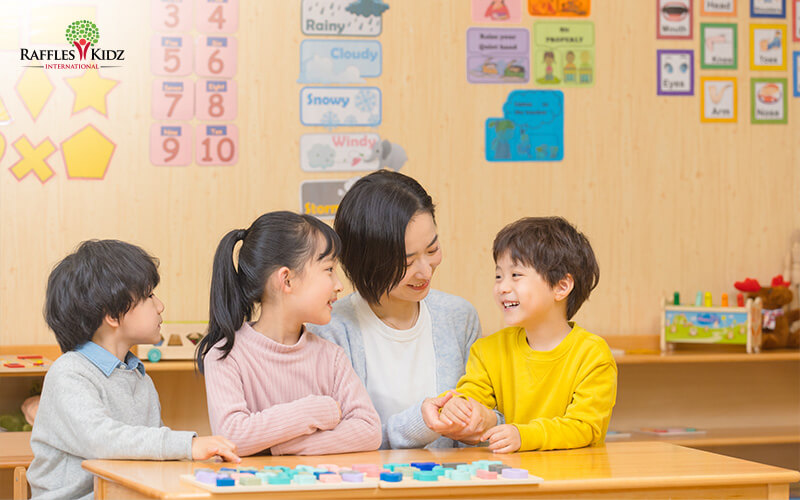
When sleep and routine work hand-in-hand, preschoolers gain the stability, energy, and confidence they need to learn and grow. From supporting brain development to shaping emotional resilience and independence, these foundational habits influence every part of a child’s preschool experience. At Raffles Kidz International, teachers work closely with families to maintain a healthy balance between home and school, ensuring children feel secure, well-rested, and ready to engage meaningfully each day.
With purposefully designed learning corners, bilingual immersion, and a holistic, inquiry-based curriculum, the school nurtures each child’s potential through structured routines and supportive early learning environments, helping every young learner thrive each day.
Ready to support your child’s growth with a nurturing, well-structured start? Schedule a school tour at Raffles Kidz International today to experience how our learning environment fosters confident and happy learners.